
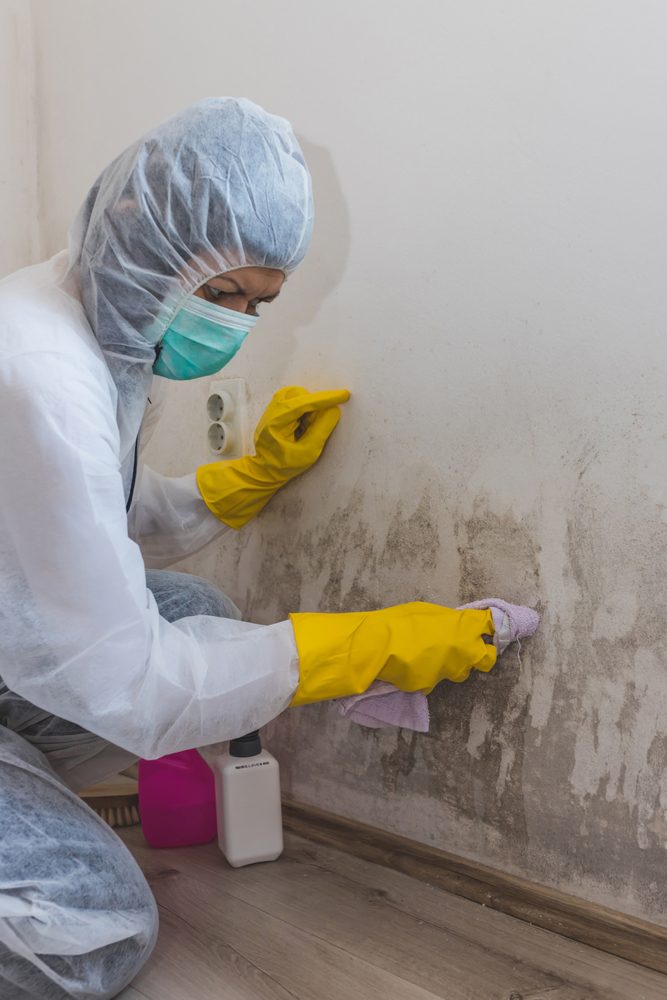
Mold cases are won and lost on documentation. The tenant who kept dated photos, written notices, and medical records can prove what happened; the tenant who relied on phone calls and memory usually can’t. Here is the evidence file we wish every Los Angeles client had started on day one.
1. Put every complaint in writing
California habitability claims usually turn on notice: when did the landlord learn of the problem, and what did they do? Text messages and emails create timestamps; phone calls create arguments. Send a dated email or letter describing the mold or leak, where it is, and what repair you’re requesting. Keep it factual and polite. If you already complained by phone, follow up in writing: “As I mentioned on our call on July 3rd…” Save every reply — and every non-reply.
2. Photograph and video like an adjuster
Take wide shots that show which room you’re in, then medium shots, then close-ups of the growth, staining, or damage. Include a common object (a coin, a tape measure) for scale. Turn on your phone’s location and timestamp metadata. Re-photograph weekly — spread over time, images prove the condition persisted after notice. Video works well for active leaks: narrate the date and what you’re showing.
3. Preserve physical evidence
Don’t throw away moldy belongings before photographing them and, ideally, keeping a sample item. Save damaged clothing, furniture receipts, and anything showing property loss. If remediation happens, photograph the opened walls before contractors haul debris away — that hidden growth is often the most dramatic evidence in the case.
4. Get independent testing before repairs
Professional mold testing — air sampling plus surface samples, with a written report — captures conditions before the landlord’s contractor guts the room. Keep the lab’s chain-of-custody forms and the inspector’s contact information; they may become your expert witness.
5. Track health impacts and expenses
Keep a symptom journal: dates, symptoms, which rooms trigger them, doctor visits. Tell every treating physician about the suspected exposure so it enters your chart (see when to see a doctor about mold exposure). Save receipts for medical costs, hotel stays, air purifiers, replaced belongings, and note missed work days.
6. Keep a timeline document
One page, chronological: date you first saw the leak, every notice to the landlord, every response, every repair visit, every doctor appointment. Attorneys, adjusters, and juries think in timelines. A tenant who hands over a clean chronology with exhibits is instantly more credible — and California’s filing deadlines make the dates themselves legally critical.
How landlords and insurers try to poke holes in your evidence
Expect pushback. The most common defense tactics are to argue you never gave proper notice, that the mold came from your own housekeeping rather than a building defect, that your symptoms have another cause, or that the damage is exaggerated. Each of these is easier to defeat when your file is built in advance: dated written notices answer the “no notice” argument, independent testing and moisture readings tie the mold to the building, and consistent medical records connect it to your health.
Keep both digital and backup copies
Store everything in at least two places — your phone plus a cloud folder or an email to yourself — so a lost or damaged device never costs you your case. Keep original texts and emails rather than screenshots where you can, since timestamps carry weight. A clean, chronological folder you can hand to a Los Angeles toxic mold attorney makes your case stronger and faster to evaluate.
Think you may have a mold claim? Mehdipour Law’s Los Angeles toxic mold lawyers offer free consultations and take habitability cases on contingency — no recovery, no fee. Call (310) 556-9692.
This article is for general informational purposes only and does not constitute legal advice. Reading it does not create an attorney–client relationship. Every case is different; consult a licensed California attorney about your specific situation.
Documentation is what most cases turn on. Our page for tenants facing mold page explains what your landlord is responsible for and what a claim can include.


