
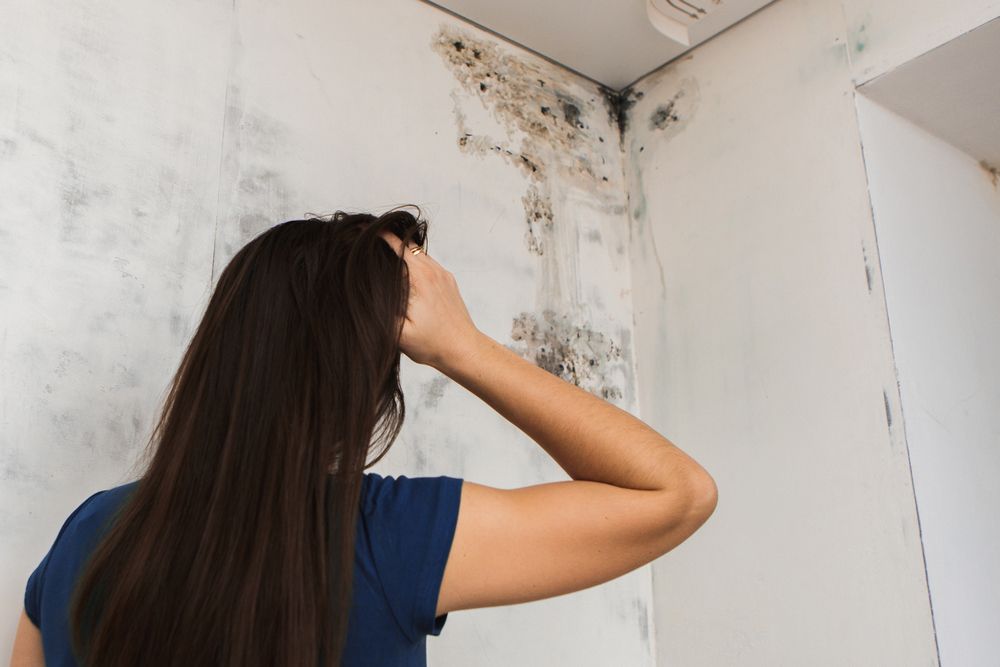
Mold exposure symptoms are easy to dismiss as “just allergies” — until they don’t go away. If you rent in Los Angeles and your symptoms track with time spent at home, this guide explains what mold exposure can look like, who is most at risk, when to seek medical care, and how the medical record you build becomes the backbone of a legal claim.
Common symptoms of mold exposure
The most frequently reported reactions are respiratory and irritant: nasal congestion and runny nose, sneezing, coughing, wheezing or shortness of breath, itchy or watery eyes, sore throat, skin rashes, and sinus headaches. Many clients also report fatigue, difficulty concentrating, and disrupted sleep. Symptoms often follow a telling pattern: worse in certain rooms, worse at night, better at work or on vacation, and back within hours of coming home.
Serious reactions and high-risk groups
For people with asthma, mold can trigger severe attacks. Those with mold allergies can develop allergic rhinitis or, less commonly, allergic bronchopulmonary aspergillosis. Immunocompromised individuals face risk of actual fungal infection. Infants and young children, the elderly, and anyone with chronic lung disease should be moved away from moldy conditions as a precaution. If anyone in your household experiences breathing difficulty, seek urgent care — health first, paperwork second.
When to see a doctor
See a physician when symptoms persist more than a couple of weeks, recur in a pattern tied to your home, or worsen despite over-the-counter treatment. Tell the doctor explicitly that you suspect mold exposure at home and ask that it be noted in your chart. Allergists can run specific IgE tests for common molds; pulmonologists can evaluate breathing complaints. Follow through on referrals — gaps in treatment are the first thing an insurance adjuster will point to.
Why the medical record matters legally
In a California habitability case, your medical records connect the landlord’s neglected leak to real harm: diagnoses, medication costs, missed work, and pain and suffering. The strongest cases pair medical documentation with proof of the housing condition — photos, written notices to the landlord, and test results. Our guide on documenting a mold problem shows how to build that file, and California’s filing deadlines make starting early important — see the statute of limitations for mold claims.
How doctors evaluate mold-related illness
There is no single test that proves mold made you sick, so physicians work by connecting the dots. A doctor may take a detailed history of your symptoms and your home, order allergy testing (a skin-prick or specific IgE blood test) for common molds, check your lungs if you have breathing complaints, and rule out other causes. Be specific about the timeline — when symptoms started, which rooms make them worse, and whether they ease when you are away. That pattern is often the most persuasive evidence of all.
The risk of long-term exposure
Short spells around mold may cause only mild irritation, but living with it for months is a different matter. Prolonged exposure can worsen asthma, contribute to chronic sinus infections, and leave sensitive people with lingering fatigue and respiratory problems. Children, older adults, and anyone with a weakened immune system face the highest risk. If you cannot get your landlord to act, do not wait it out — take steps to protect yourself and get medical care.
Turning symptoms into evidence
If your illness may become a claim, your medical records are the backbone of the case. Keep a dated symptom journal, follow through on every referral, and make sure each provider notes the suspected connection to your housing. Pair that with photos and written notice to your landlord — our guide on documenting a mold problem shows exactly how, and California’s filing deadlines make starting early important.
Think you may have a mold claim? Mehdipour Law’s Los Angeles toxic mold lawyers offer free consultations and take habitability cases on contingency — no recovery, no fee. Call (310) 556-9692.
This article is for general informational purposes only and does not constitute legal advice. Reading it does not create an attorney–client relationship. Every case is different; consult a licensed California attorney about your specific situation.
If these signs match your rental, our page for tenants facing mold page explains what your landlord is responsible for and what a claim can include.


