
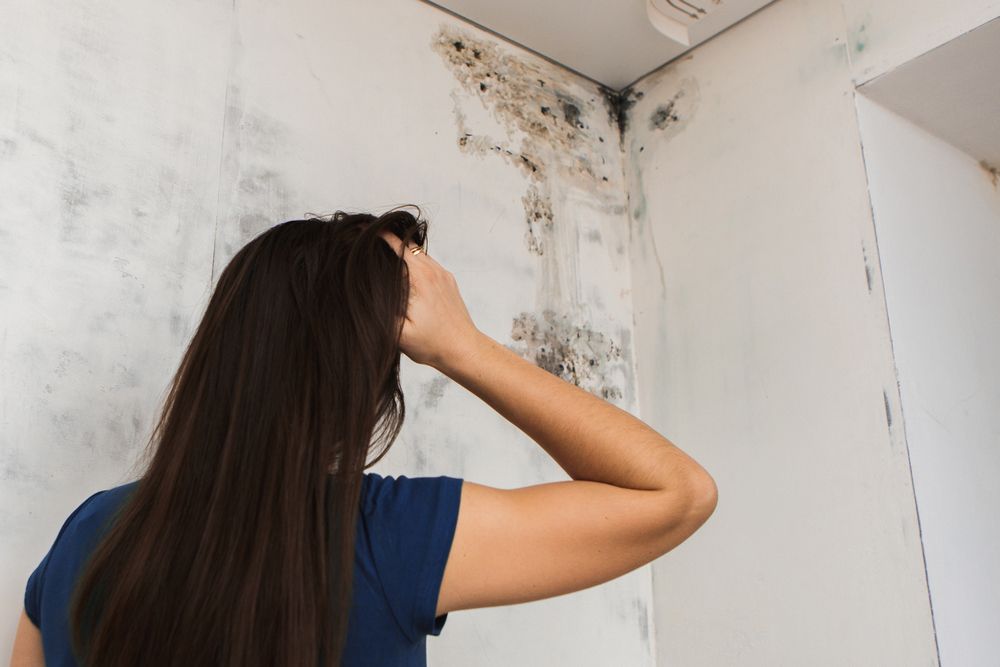
A burst pipe, a roof leak in January rain, an upstairs neighbor’s overflowing tub — water intrusion is how most Los Angeles mold problems begin. Mold can start colonizing wet drywall within 24–48 hours, so what you do in the first days matters both for your health and for any future claim. Here are the five steps, in order.
Step 1: Report the leak in writing — immediately
Call the landlord or manager if it’s an emergency, but always follow up the same day in writing (text or email is fine): what leaked, where, when you discovered it, and that you’re requesting immediate repair and drying. This written notice starts the landlord’s legal duty clock under California habitability law, and it is the single most important piece of paper in a future case. Photograph the standing water and wet materials before any cleanup.
Step 2: Demand drying, not just a patch
Fixing the pipe without drying the wall is how leaks become mold cases. Professional water-damage response means extracting water, removing saturated materials, and running dehumidifiers and air movers until moisture readings normalize — usually several days. If the landlord’s “repair” is a plumber visit and a fresh coat of paint, say so in writing: “The wall is still wet; please arrange proper drying to prevent mold.”
Step 3: Watch (and smell) for mold over the next two weeks
Check the affected area daily: musty odor, discoloration, bubbling paint, soft drywall, warping baseboards. Symptoms in your household — congestion, coughing, headaches at home — count too. Our guide on what to look for with toxic mold covers the warning signs in detail. Photograph anything you find, with timestamps, and report it in writing just like the leak.
Step 4: Document everything as you go
Keep every message, photo, receipt, and repair notice in one folder. If mold appears, consider independent testing before the landlord opens walls. The full playbook is in how to document a mold problem so it holds up in court. If you or family members develop symptoms, see a doctor and make sure the suspected cause goes in the chart.
Step 5: Know your rights if the landlord stalls
California tenants whose landlords fail to repair after reasonable notice have options: repair-and-deduct (with strict limits), rent withholding in serious cases, code enforcement complaints to the Los Angeles Housing Department, and — where mold exposure causes illness or property loss — a habitability lawsuit for damages. Each remedy has tradeoffs and traps (never withhold rent without legal advice). Deadlines apply too; see the statute of limitations for California mold claims.
How fast does mold grow after water damage?
Faster than most people expect. Given the right conditions, mold can begin colonizing wet drywall, carpet, and wood within 24 to 48 hours — which is exactly why simply fixing the pipe is not enough. Materials have to be dried out completely, and that usually takes professional extraction, dehumidifiers, and air movers running for several days. If your landlord patches the leak but leaves the wall wet, say so in writing and insist on proper drying.
Who pays for the damage?
When a leak comes from a building system the landlord is responsible for maintaining — plumbing, the roof, or a neighboring unit — and they fail to repair and dry it after notice, they may be liable for the resulting mold, your damaged belongings, and any illness. Renters insurance may help with some personal-property losses, but it does not erase a landlord’s responsibility. If a leak has turned into mold and your landlord is stalling, a Los Angeles habitability attorney can explain your options.
Landlord dragging their feet after a leak? Mehdipour Law’s Los Angeles toxic mold lawyers offer free consultations and take habitability cases on contingency — no recovery, no fee. Call (310) 556-9692.
This article is for general informational purposes only and does not constitute legal advice. Reading it does not create an attorney–client relationship. Every case is different; consult a licensed California attorney about your specific situation.
What you do in the first days matters most. Our page for tenants facing mold page explains what your landlord is responsible for and what a claim can include.


