
The thoughts below are my own general observations from representing tenants in Los Angeles. They are not legal advice, and they are not a definitive statement of California law. Every situation turns on its own facts, and you should speak with an attorney about yours.
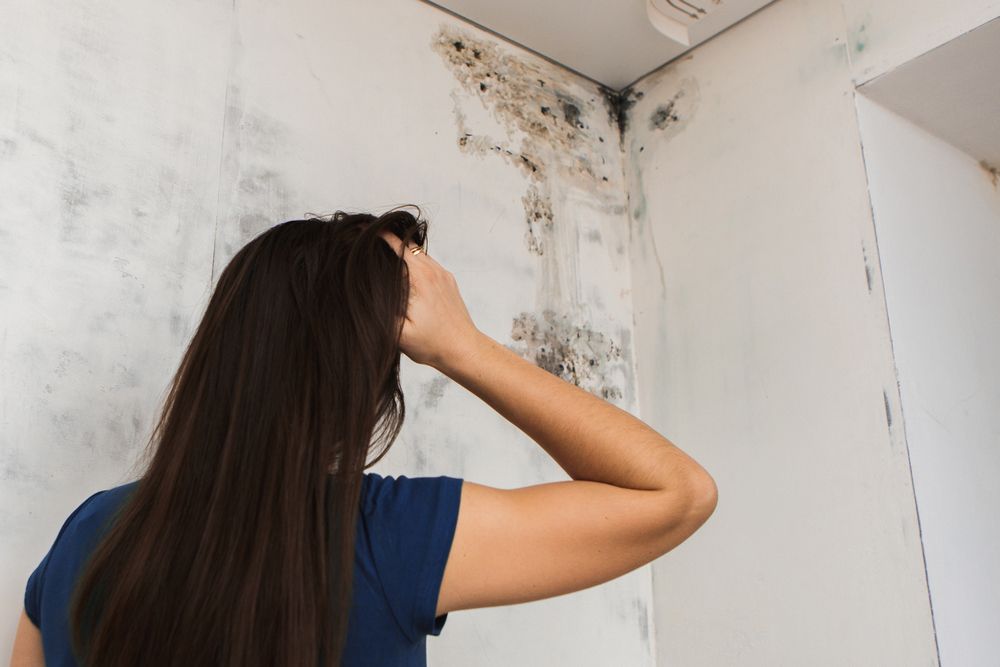
You told your landlord about the mold weeks ago. Maybe you sent a text. Maybe someone came out, painted over the stain, and left. Meanwhile the smell is still there, your child’s cough is not going away, and nothing has actually been repaired. In my experience this is one of the most common situations tenants find themselves in, and my view is that most renters have more leverage than they realize.
How I think about the landlord’s obligation
California recognizes an implied warranty of habitability in residential tenancies, and Civil Code sections 1941 and 1941.1 describe conditions a rental is generally expected to meet, including weather protection and plumbing kept in working order. My reading of these provisions is that they set a floor a lease cannot bargain away.
Mold tends to matter for two reasons, as I see it. First, mold is usually a symptom of some underlying defect that I would ordinarily consider the landlord’s responsibility, such as a roof leak, a failed window seal, a plumbing leak, or a bathroom with no working ventilation. Second, California’s Health and Safety Code addresses visible mold as a substandard housing condition in certain circumstances affecting health.
So when I hear “it’s just a little mold,” my honest reaction is that this is rarely the right question. In my opinion the better question is what is causing the moisture, and who is responsible for that.
Why I push clients to put things in writing
If I could change one habit, it would be this. Tenants routinely call five times, get nowhere, and then have nothing to show for it when things get serious.
What I generally suggest is written notice describing the specific problem, where it is, when it started, and what you are asking to be done. Text and email both create a timestamp. I would keep copies of everything sent and received, and after any in-person conversation I would send a short follow-up message summarizing what was said.
I would also build my own record: dated photographs and video, the location and extent of affected areas, any water intrusion, and how things change over time. Keep receipts. If you or your family are experiencing symptoms, my strong suggestion is to see a doctor and make sure your concerns are reflected in the medical record.
Giving a genuine chance to repair
Once a landlord has notice, my understanding is that they are entitled to a reasonable opportunity to fix the problem, and that California generally treats thirty days as a reasonable period in many circumstances, with genuinely urgent conditions calling for a faster response.
In my view what matters is whether the repair is real. Painting over mold, wiping a surface, or running a fan for an afternoon does not address the moisture source, and in my experience the problem comes back. Where I see the same condition returning after repeated cosmetic patches, I think that pattern is worth documenting carefully.
My thoughts on involving code enforcement
If a landlord will not act, a tenant can generally ask a housing inspector to look at the unit. In the City of Los Angeles the Los Angeles Housing Department handles habitability complaints; other cities and unincorporated county areas have their own offices.
I tend to encourage this for two reasons. It often prompts a landlord who has been ignoring you to finally act, and it can create documentation from a neutral source, which in my opinion carries more weight than a tenant’s own account.
Remedies I would want a tenant to understand before acting
California provides several avenues. Each carries conditions and risks, and which one makes sense depends entirely on the facts. These are my general impressions, not recommendations for your situation.
- Repair and deduct. Civil Code section 1942 sets out a mechanism allowing a tenant, in defined circumstances, to arrange a repair and deduct the cost, subject to limits tied to one month’s rent and to how often it may be used in a twelve-month period.
- Rent withholding. Withholding is sometimes discussed in serious cases, but in my opinion it carries real risk and is not something I would attempt without advice.
- Limits on collecting rent. Civil Code section 1942.4 addresses situations where a landlord may not demand or collect rent, generally where the unit substantially lacks required standards, an inspector has issued a notice, and the condition has not been addressed within the statutory window.
- A civil claim. Depending on the facts, tenants may pursue the reduced value of what they paid for, out-of-pocket losses, damaged belongings, and, where the evidence supports it, personal injury and the discomfort of living in the conditions.
On retaliation
Many tenants I speak with stay quiet because they fear eviction. Civil Code section 1942.5 addresses retaliation against tenants for asserting these rights within a protected period. My own view is that when retaliation does occur, it frequently strengthens rather than weakens the tenant’s overall position.
If you receive an eviction notice after raising conditions, I would treat it as urgent. Eviction deadlines in California are very short.
When I think it is worth a conversation
In my opinion it is worth speaking with someone if written notice has been ignored, if repairs are cosmetic and the problem keeps returning, if you or your family are experiencing health effects, if you have been asked to sign a release or move-out agreement, or if you have received any notice to quit.
I handle habitability and toxic mold matters for tenants throughout Los Angeles, and consultations are free. If you would like me to look at your documentation and share my honest read, call (310) 556-9692.
Again: the above reflects my general views and experience, not legal advice, and reading it does not create an attorney-client relationship.
Related reading: Los Angeles toxic mold attorney · How to document a mold problem · Landlord duties and common violations · Mold claim statute of limitations
If your landlord will not act, our page for tenants facing mold page explains what your landlord is responsible for and what a claim can include.


